Pricey Paid Bid-Info Sites: Is There a Better Way?
Public bid notices are public data that anyone can view for free. What paid sites really sell isn't the data—it's convenience. There's no reason to pay a subscription just to search and read notices. Here's why GREND opens up bid information for free.
If your business lives and dies by bids, you know the scene well: the bid-info site subscription fee that drains out of your account every month. As little as tens of thousands of won a month, as much as several million won a year. A larger company might shrug it off, but for a solo founder or a small outfit just getting into public procurement, it's a fixed cost that's hard to swallow. And at some point a question surfaces: “Wait—wasn't this information free to begin with?”
Public bid information is “open” by design
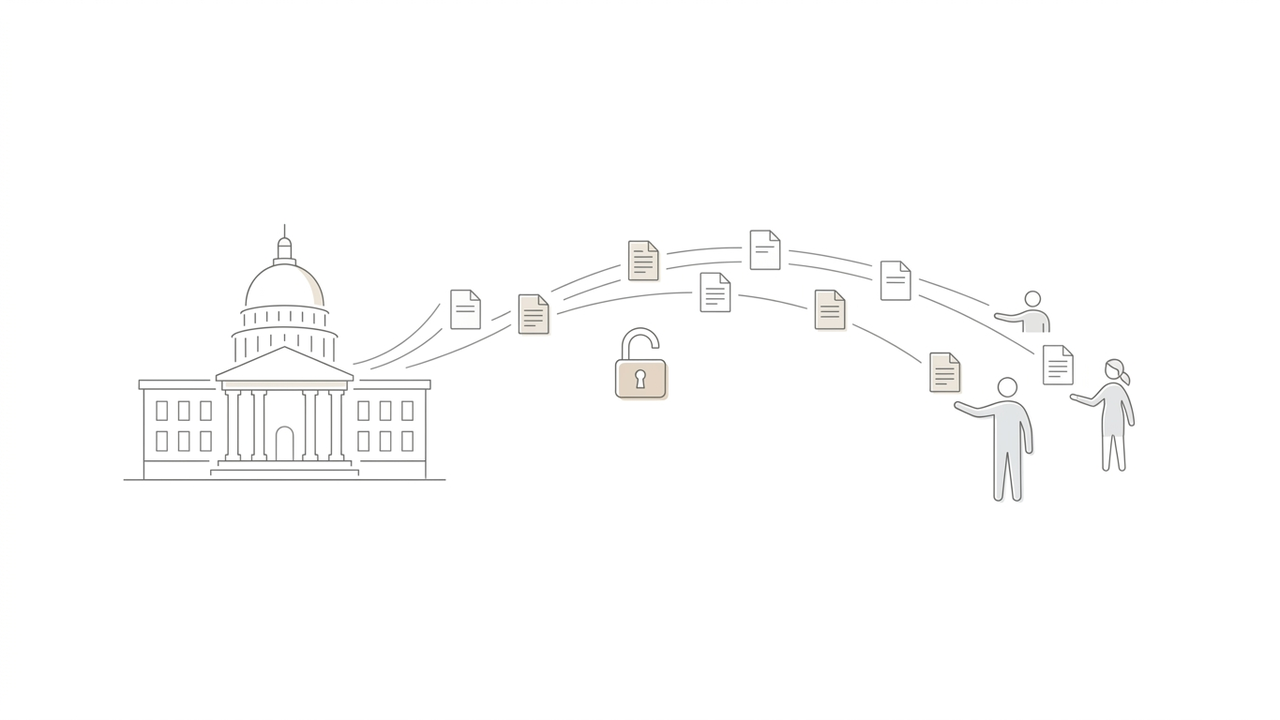
To cut to the chase: the source data behind public bid notices is public data that anyone can view for free. Bids from the government and public institutions are required to be posted on Narajangteo (KONEPS, Korea's public procurement portal, G2B). And that notice data is opened up free of charge as an OpenAPI through the Public Data Portal (data.go.kr). It is, after all, public information meant for everyone, posted to a system run on taxpayer money.
So why pay every month?
If the data is free, what exactly are paid services selling? Precisely speaking, not the data itself, but “processing” and “convenience.” They take the thousands of notices that pour in, organize them neatly, pick out only the ones that match your industry and region and send you alerts, and analyze past award histories for you. These are genuinely valuable tasks, and putting a price on that effort is perfectly natural in itself.
The problem is that even the most basic of those “conveniences”—namely searching and reading the notices—often ends up locked behind a subscription wall. If the structure is one where you pay a monthly fee just “to view” information that was open to begin with, it's worth asking once more: do searching and reading really have to be paid features?
That's why GREND opens bid information as a “free public service”
GREND collects the public data from the Public Procurement Service's Narajangteo in real time and provides it as an open service that anyone can search and read without logging in. It started from a simple idea: public data should be open to the public.
- We collect and organize more than a million notices in real time.
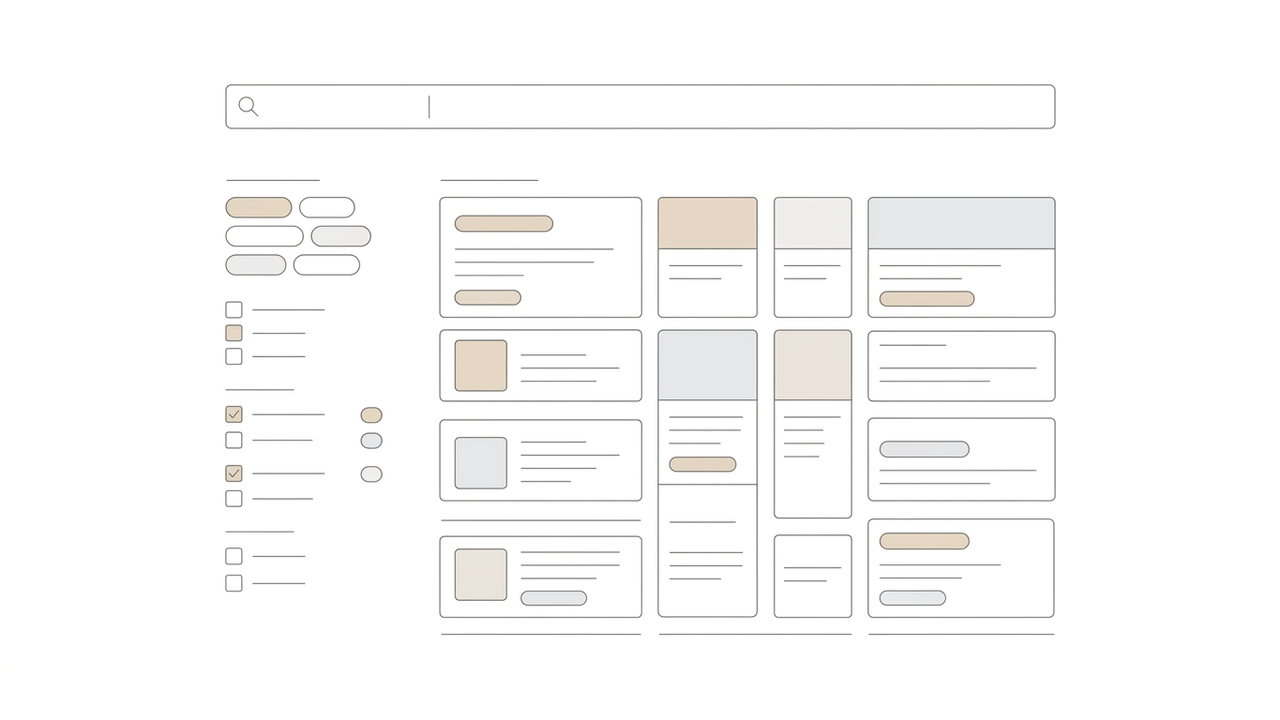
- Faceted search that narrows by task category, contract method, region, and notice classification—find the notice you want in a few clicks.
- Beyond bid notices alone, you can follow six tracks: procurement plans, advance specifications, result notices, bidding companies, and ordering agencies. From a project's “forecast” to its “result,” it all reads as a single flow.
- Attached specifications and notice documents can be read right inside your browser, with no separate program needed.
- No sign-up, no payment, no card registration. Just type grend.kr/bid into your address bar and you're done.
There are moments when paid really is worth it
To avoid any misunderstanding, this isn't to say that every paid service is unnecessary. For a dedicated team reviewing dozens of bids a day, advanced features like finely tuned custom alerts, competitor and award-price analysis, and proposal consulting are well worth paying for. Because that's not “the price of viewing data”—it's “the price of buying time.”
But there's no reason everyone should have to pay for the starting line—looking up notices and checking their contents. Keep the basics open, and add value where deeper needs arise. That's why GREND opens up the “basics” of bid information for free.
Public data belongs to the public. Charging just to view it is not the way.
If you've been looking for an alternative to pricey paid sites, the answer is surprisingly close at hand. Try searching public bid information right now at grend.kr/bid, no login required. It's time to take a hard look at that subscription fee you've been paying every month.